
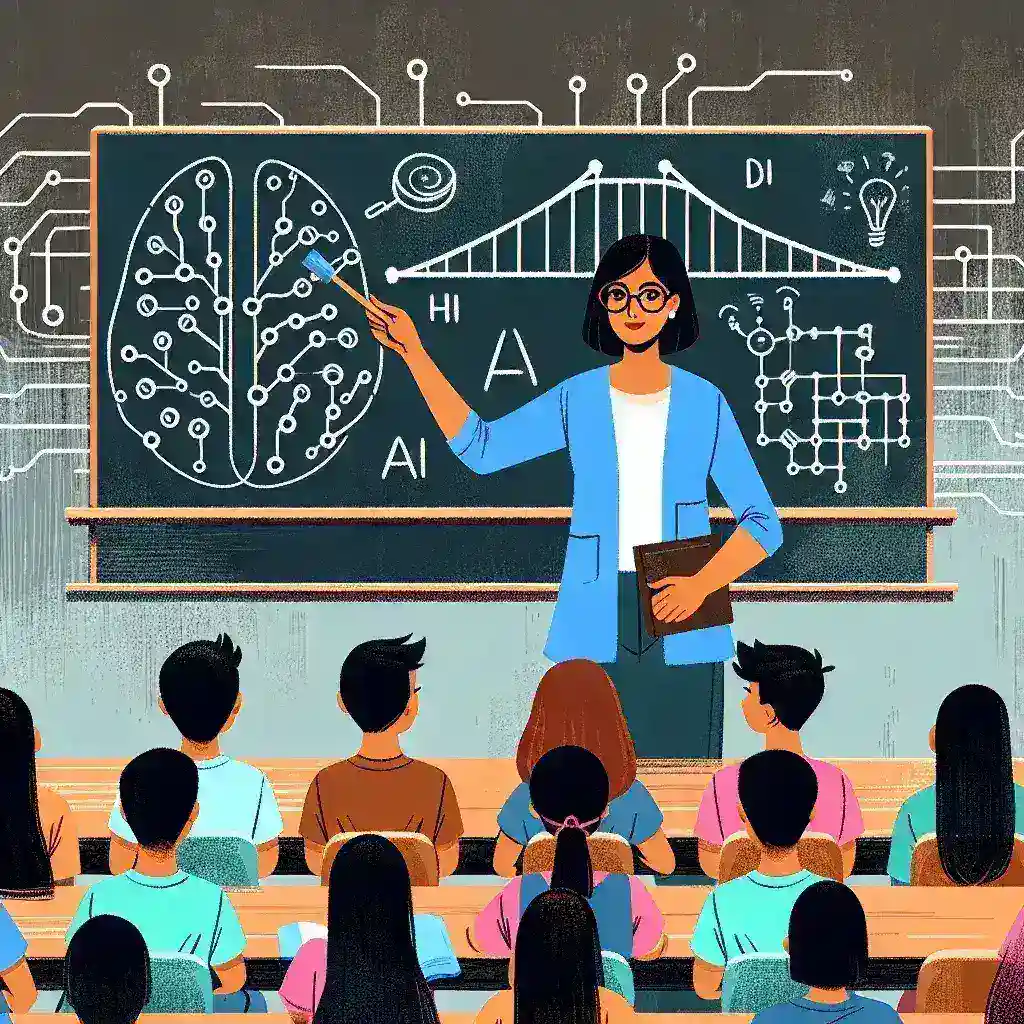
The rapid advancement of artificial intelligence (AI) technologies has created a significant demand for skilled professionals in the tech industry. However, disparities in access to education and resources have left many underserved communities at a disadvantage. To address this critical issue, U.S. tech-education nonprofits are increasingly partnering to bridge the AI skills gap in these areas. This article explores the initiatives, challenges, and impact of such collaborations.
Understanding the AI Skills Gap
The AI skills gap refers to the disparity between the growing demand for AI professionals and the available talent pool equipped with the necessary skills. According to a report from the World Economic Forum, by 2025, 85 million jobs may be displaced by a shift in labor between humans and machines, but 97 million new roles may emerge that are more adapted to the new division of labor. The challenge lies in ensuring that individuals, especially from underserved communities, have the opportunity to acquire these skills.
Historical Context
Historically, access to quality education has been influenced by socioeconomic status, geographic location, and systemic barriers. Many underserved communities lack the infrastructure and resources necessary to provide comprehensive training in emerging technologies like AI. This has led to a cycle where individuals from these communities are underrepresented in the tech workforce, perpetuating inequality in opportunities and economic mobility.
Recent Trends in Tech Education
Recently, there has been a growing recognition of the need to diversify the tech workforce. Organizations are actively seeking to create inclusive pathways that empower individuals from all backgrounds to thrive in the tech industry. Nonprofits have emerged as pivotal players in this movement, leveraging partnerships with tech companies, schools, and community organizations to expand access to quality education.
Partnerships Making a Difference
One notable example of these partnerships is the collaboration between various tech-education nonprofits. Organizations like Code.org, TechBridge, and Black Girls Code have joined forces to develop programs aimed at teaching AI skills to underrepresented youth. These collaborations often include:
- Curriculum Development: Creating tailored educational materials that focus on AI concepts and applications.
- Mentorship Programs: Connecting students with professionals in the AI field to provide guidance and support.
- Workshops and Bootcamps: Offering hands-on training sessions to build practical skills in AI technologies.
The Role of Technology in Education
Technology plays a crucial role in overcoming traditional barriers to education. Online platforms and resources have democratized access to learning materials, allowing students to learn at their own pace and from anywhere. Nonprofits are leveraging these technologies to reach a wider audience and provide engaging, interactive learning experiences that resonate with students from diverse backgrounds.
Impact on Communities
The impact of these partnerships extends beyond individual skill development. By equipping underserved communities with AI skills, these initiatives are fostering innovation and economic growth. As individuals gain the knowledge and expertise needed to compete in the tech industry, they can contribute to their local economies and inspire future generations to pursue careers in technology.
Real-Life Examples
In cities across the U.S., we see firsthand the transformative effect of tech-education partnerships. For instance, in Chicago, a collaboration between local nonprofits and tech companies has led to the establishment of coding academies that focus on teaching AI skills to high school students. Participants in these programs have gone on to secure internships and job placements in tech firms, illustrating the tangible benefits of such initiatives.
Future Predictions
Looking ahead, the need for skilled professionals in AI will continue to grow as more industries adopt automation and machine learning technologies. Nonprofits will play a critical role in shaping the future workforce by:
- Expanding access to AI education in rural and urban underserved communities.
- Advocating for policy changes that promote equitable access to technology.
- Partnering with businesses to create pathways for employment and internships in the tech sector.
Challenges Ahead
Despite the progress made, challenges remain. Nonprofits often face funding constraints, making it difficult to sustain long-term educational programs. Additionally, there is a need for ongoing collaboration between educational institutions and industry stakeholders to ensure that curricula align with the evolving demands of the job market.
Conclusion
The collaboration between U.S. tech-education nonprofits represents a significant step forward in bridging the AI skills gap in underserved areas. By fostering partnerships, developing tailored educational programs, and leveraging technology, these organizations are empowering individuals to thrive in the digital economy. As we move into an increasingly tech-driven future, the importance of such initiatives cannot be overstated. It is essential to continue supporting and investing in these efforts to create a more inclusive and equitable tech workforce for all.